Soybeans for Biodiesel Production

The many benefits to using soybean oil in the production of biodiesel include, soybeans are widely grown, the infrastructure and equipment to grow, transport and process them already exists, and the left over soybean meal is important for animal feed. Read more about the advantages and drawbacks of soybeans as a biofuel energy crop.

One ton tote of soybeans
Soybeans.

Contents

Irrigation Energy Efficiency Checklist and Tips


Table Of Contents


Irrigation Energy is part of a series of Efficiency Checklists and Topics that can help you to assess all areas of your farming operation for energy efficiency and find ideas to save energy and reduce costs. For links …

Home Energy Efficiency Checklist and Tips


Table Of Contents


Home Energy is part of a series of Efficiency Checklists and Topics that can help you to assess all areas of your farming operation for energy efficiency and find ideas to save energy and reduce costs. For links to other articles in the Efficiency Checklists and Topics series, see Additional Resources at the end of this article.


Farm Home

Fuels and Alternate Heat Sources for Commercial Greenhouses

corn boiler
Corn furnace with fuel. Photo by Vern Grubinger, University of Vermont Extension, Creative Commons

Which fuel is best for heating a greenhouse? The right answer depends on price, convenience, and availability. Some fuels have more “heat per dollar” and some heating units have a greater efficiency. Others are especially easy to use. All of these factors need to be considered when deciding what fuel to use. The most common fuels for greenhouse heating are natural gas, propane, and fuel oil, …

How Much Heat Does BioFuel Have?


Table Of Contents

Introduction

There is no simple, single number, useful for all situations, to calculate the amount of energy in a fuel.
When biomass (or any fuel) is combusted, the products are heat, carbon dioxide, ash and water vapor. Hot water vapor, formed as part of the combustion reaction, has quite a …

Farm Shop Energy Efficiency Checklist and Tips

Farm shop. Photo courtesy of Carl Pedersen

Farm Shop Energy is part of a series of Efficiency Checklists and Topics that can help you to assess all areas of your farming operation for energy efficiency and find ideas to save energy and reduce costs. For links to other articles in the Efficiency Checklists and Topics series, see Additional Resources at the end of this article.

The farm shop is often the second most used building during the winter next to …

Processing Biomass Into Biogas


Tables Of Contents

Anaerobic Digestion of Animal Manures: Understanding the Basic Processes

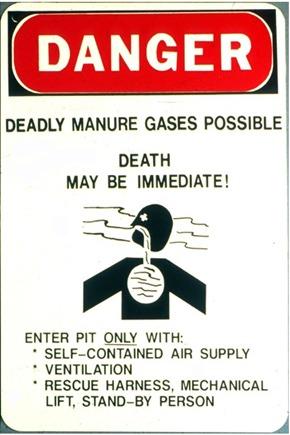
Anaerobic Digesters and Biogas Safety

When manure is anaerobically digested, the biogas produced is primarily composed of methane and carbon dioxide, with lesser amounts of hydrogen sulfide, ammonia, and other gases. Each of these gases has safety issues. Overall, biogas risks include explosion, asphyxiation, disease, and hydrogen sulfide poisoning.

Image: US Municipal Supply Company.

Extreme caution is necessary when working with biogas. Adequate ventilation, appropriate precautions, good work practices, engineering controls, and adequate personal protective equipment will minimize the dangers associated with biogas. Wherever possible, …

Biogas Utilization and Cleanup

Introduction

Biogas generated from anaerobic digestion processes is a clean and environmentally friendly renewable fuel. But it is important to clean, or upgrade, biogas before using it to increase its heating value and to make it useable in some gas appliances such as engines and boilers.

Biogas Utilization

While most large farms use their biogas for heat and power, it is worthwhile to consider all the options before deciding which path to take, including direct sale of biogas to an …

Uses of Solids and By-Products of Anaerobic Digestion

Anaerobic Digestate Pile at Scenic View Dairy in Fennville, MI
Anaerobic Digestate Pile, Scenic View Dairy, MI. Photo: M.C. Gould, MSU Extension

Anaerobic digestion generates a wide range of byproducts that farmers can use in their farming operations or sell. Beyond biogas used to generate electricity or as fuel, and liquids used for fertilizer or soil amendments, there are solid byproducts, which have a wide range of applications.

Table of Contents: