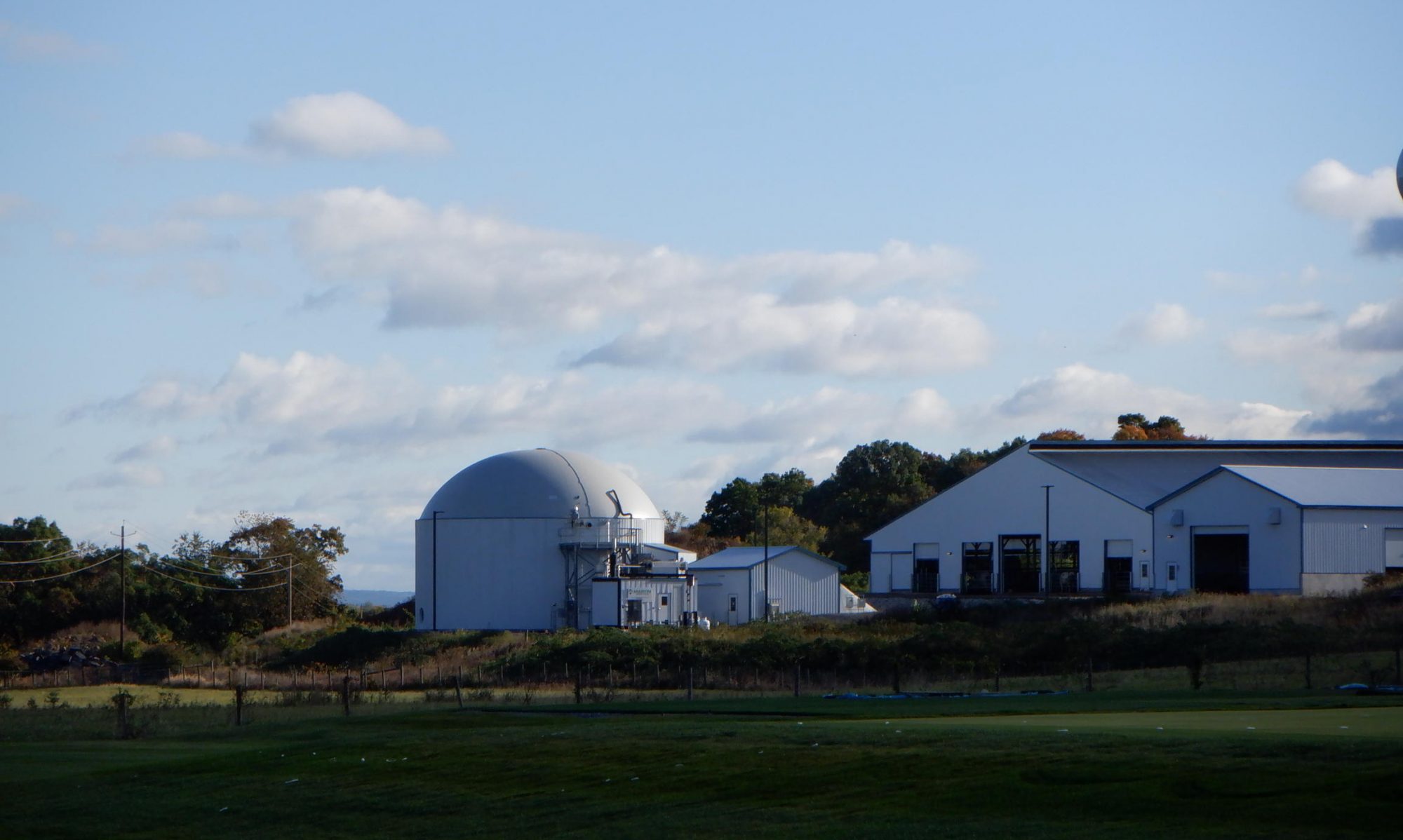
Most references on bomb calorimeter studies of manure indicate about 7,500 BTU/lb of manure dry matter. This value is similar to the energy in raw feedstuffs. One finishing pig will consume about 600 lb of feed. The energy content of the feed is about 5 million BTU. The pig will excrete about 150 lb of manure dry matter. Energy content of the manure is about 1 million BTU.
The water in manure must be vaporized before the manure will burn. …
Why is there such an emphasis on power production from biomass?
Woody biomass is an abundant and readily available resource that historically has not been used much except by forest products manufacturers as an internal energy source at their facilities, although many such manufacturers have also been able to produce excess electric power for sale to the grid. Whereas commercial-scale production of transportation fuels is still in early stages of development, technologies are already well-developed for producing heat and electricity from biomass in firing or co-firing in boilers and in gasification …
What are the differences between biofuels, biopower, and bioproducts?
These terms refer to three generally different end uses of biomass based products. “Biofuel” is short for “biomass fuel,” a term used for liquid fuels produced from biomass (generally transportation fuels), such as ethanol, bio-oil, and biodiesel. “Biopower” refers to biomass-fueled power systems that generate electricity or industrial process heat and steam, such as combined heat and power (CHP) systems. “Bioproduct” is short for “biomass products” and can be used to describe a chemical, material, or other (non-energy) product such …
Can I use the exhausted heat from a high-efficiency furnace vent to heat a greenhouse?
No. There are several reasons not to attempt heating a greenhouse with a high-efficiency furnace vent:
1) Carbon monoxide could be lethal to anyone entering a greenhouse heated by furnace exhaust.
2) Carbon monoxide interferes with photosynthesis in plants.
3) It would not be worth the investment.
You have already been environmentally responsible by investing in a high-efficiency furnace. You could run the exhaust pipe through a greenhouse, but there should be very little heat in the exhausted air from …
Selecting and Maintaining Greenhouse Thermostats
How would you like to reduce your annual energy costs $100 to $200 for a simple 15-minute maintenance procedure in your greenhouse? This is the potential fuel savings from properly heating a greenhouse by improving the accuracy of a heating thermostat. There are few minimum labor tasks that will give this large a return.
The above savings is based on a 30-foot-by-100-foot double covered greenhouse where the average winter temperature is 25 degrees F. and the fuel costs are $15…
Ventilation and Cooling Systems for Animal Housing
Introduction
Livestock production is significantly influenced by animal health and comfort. Ventilation of animal housing to remove moisture and odors and replacing them with fresh air is necessary for livestock productivity. Ventilation also provides air movement that promotes cooling and improves air quality for confined animals. While good ventilation contributes to profitability, if not properly designed, the energy used by a cooling and ventilation system can …
Livestock Watering Systems Energy Efficiency Checklist and Tips
Livestock Watering Systems is part of a series of Efficiency Checklists and Topics that can help you assess your farming operation for energy efficiency and identify strategies to save energy and reduce costs.
For links to other articles in the Efficiency Checklists and Topics series, see Additional Resources at the end of this article.
Livestock Watering Systems

Livestock water fountain. Photo: Carl Pedersen, North Dakota State University Extension
A dependable supply of drinking water is essential in any livestock production …
Introduction to Energy Efficiency and Conservation for Livestock Production
Many energy conservation and efficiency strategies can be applied to dairy, livestock and poultry production to save money and reduce fuel consumption. These include energy-efficient building design, and better management of ventilation and cooling of buildings.
Use of efficient systems for vacuum pumps, cooling milk and heating water can save money on dairy farms. Most farms can find savings by replacing incandescent lighting with high efficiency fluorescent lighting, and may also save by upgrading livestock water fountains to energy-free …
Farm Lighting Energy Efficiency Checklist and Tips

Mercury vapor yard light. Photo credit: Carl Pederson
Farm Lighting is part of a series of Efficiency Checklists and Topics that can help you to assess all areas of your farming operation for energy efficiency and find ideas to save energy and reduce costs. For links to other articles in the Efficiency Checklists and Topics series, see Additional Resources at the end of this article.
Farm Lighting
The design and management of a farm’s lighting system greatly affects its energy …
Additional Resources for Greenhouse Energy Conservation and Efficiency
Contents
- Resources from eXtension Farm Energy
- Strategies and Checklists
- Construction and Comprehensive Greenhouse Guides
- High Tunnels
- Geothermal Heating
- Greenhouse Efficiency and Conservation Case Studies
- Miscellaneous Resources related to Greenhouse Energy
 Find these topics and many other related Farm Energy media resources at the Farm Energy Media archive.

This greenhouse has a double layer covering, horizontal air flow fans, perimeter insulation, an electronic environmental controller, and a high efficiency furnace that all contribute to energy efficiency and conservation. Photo: Vern