Livestock Watering Systems Energy Efficiency Checklist and Tips

Livestock Watering Systems is part of a series of Efficiency Checklists and Topics that can help you assess your farming operation for energy efficiency and identify strategies to save energy and reduce costs.

For links to other articles in the Efficiency Checklists and Topics series, see Additional Resources at the end of this article.


Livestock Watering Systems

Livestock water fountain. Photo: Carl Pedersen, North Dakota State University Extension

A dependable supply of drinking water is essential in any livestock production …

Additional Resources for Greenhouse Energy Conservation and Efficiency


Contents


Play button  Find these topics and many other related Farm Energy media resources at the Farm Energy Media archive.


This greenhouse has a double layer covering, horizontal air flow fans, perimeter insulation, an electronic environmental controller, and a high efficiency furnace that all contribute to energy efficiency and conservation. Photo: Vern

Farm Lighting Energy Efficiency Checklist and Tips

Mercury vapor yard light. Photo credit: Carl Pederson

Farm Lighting is part of a series of Efficiency Checklists and Topics that can help you to assess all areas of your farming operation for energy efficiency and find ideas to save energy and reduce costs. For links to other articles in the Efficiency Checklists and Topics series, see Additional Resources at the end of this article.


Farm Lighting

The design and management of a farm’s lighting system greatly affects its energy …

Greenhouse Ventilation

Good temperature control is vital for a productive high tunnel greenhouse, and this in turn means that the ventilation system needs to be effective and efficient. Regardless of whether a grower uses fans or “natural ventilation,” it is important to make sure that the system is designed properly and working well. Here are a few pointers that will help you improve your system.

Natural Ventilation

The concept of cooling a greenhouse with thermal buoyancy and wind goes back to the …

Refrigeration Systems for Milk Cooling

Bulk Milk Cooling Tank. Photo courtesy of Charriau,

Milk must be cooled from 98 degrees F. (37 degrees C.) to storage temperature, typically about 38 degrees F., to preserve its quality. The cooling process involves removing 56 BTUs of energy from each pound of milk (27 kilojoule per kg). Typically, a refrigeration system does this by using a special refrigerant fluid to remove heat from the milk and “reject” the heat (usually) into the outside air.

The basic refrigeration …

Machinery Maintenance for Energy Efficiency

The operating condition of tractors and other farm machinery can affect the fuel efficiency of those machines; therefore, maintenance is crucial for energy and financial savings.

Tractors and self-propelled equipment

Tractor engines and engines in self-propelled equipment should be maintained in good condition. It is possible for a tractor to be operating below peak performance without noticeably affecting field performance. Preventive maintenance and scheduled tune-ups are recommended to insure that the engine operates efficiently. Follow the recommendations in the operator’s …

Energy-Efficient Hot Water for Farms


Photo: eXtension Ag Energy.

Agricultural producers use heated water for a variety of jobs, including general cleaning of structures, equipment, livestock, poultry, fruit, and vegetables and to sterilize equipment. Dairy farms use especially large quantities of hot water daily for both cleaning structures and equipment and for processing milk products.

Although electrical water heating is not uncommon, most agricultural producers use propane (LP) or natural gas because of their higher efficiency. In addition to gas and electric water heaters, agricultural …

Wood Heat for Greenhouses

Outdoor wood boilers are increasingly subject to state and local and regulations aimed at minimizing air pollution. Photo courtesy of Vern Grubinger


Introduction

Wood is an attractive alternative fuel for greenhouse heating – it is renewable, locally produced, and usually less expensive than other fuels. While wood is not for everyone, an increasing number of growers are turning to it as an economical heating alternative for their facilities. Fuel wood, waste wood and biomass are all potential sources of heat …

Biomass Combustion

Articles and Fact Sheets fire

Research Summaries

Case Studies

Jatropha: Biodiesel and More

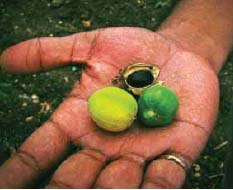
Jatropha seed oil is used in soaps, and energy for lighting and heating in subtropical and tropical areas where it is planted as living fences to stop soil erosion. Its biodiesel potential is being researched because the seeds contain from 25% to 40% oil.

Jatropha fruits and seed. Copyright FAO, UN

Contents

Introduction

Jatropha curcas is an oilseed tree or shrub that grows in …