Sunflowers for Biofuel Production

Do you know that biodiesel energy can be made from sunflower seed oil? Oilseed sunflowers are grown easily and profitably at both small farm and large field scales.

http://create.extension.org/sites/default/files/w/1/12/Sunflower_field_in_full_flower.JPG
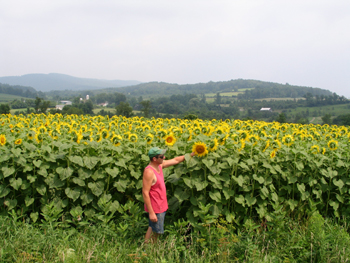
These sunflowers in southern Vermont were grown for on-farm biodiesel production.Photo: Vern Grubinger, University of Vermont Extension.

Contents

Introduction

Oilseed sunflower (Helianthus annuus L.) is quickly gaining popularity as a feedstock crop …

Introduction to Energy-Efficient Tractor and Field Operations


Table of Contents

Photo: Vern Grubinger.
 

Introduction

Tractors and related field equipment can use a lot of energy on the farm, so it makes sense to take practical steps to optimize their efficiency. These include:

Budgeting Methods for Comparing a Biomass Energy Crop to an Existing Crop

Trying to decide if it makes sense to grow biomass energy crops to get into the expanding market? This article shows farmers how to compare the costs of crop production using enterprise budgets.

Contents

Introduction

Demand for biomass renewable energy feedstocks is expanding. Biomass feedstocks can be converted to biofuels, Bioproducts or co-fired with coal electrical generation plants to meet impending carbon regulations and/or generate carbon credits. Co-firing with biomass also generates renewable energy credits …

Safety in Small-Scale Biodiesel Production

Introduction

Although the biodiesel manufacturing process is fairly straightforward, there are several aspects of biodiesel production that need careful attention to detail for a productive, safe, and environmentally sound practice. First, some chemicals used could pose serious risks to the operator or to the environment, unless the proper precautions are taken for storage, process safety, handling, ventilation, and use. Second, disposal of glycerol by-product and waste water generated from biodiesel production could cause environmental harm, unless …

New Uses for Crude Glycerin from Biodiesel Production

Introduction

Glycerol (also known as glycerin) is a major byproduct in the biodiesel manufacturing process. In general, for every 100 pounds of biodiesel produced, approximately 10 pounds of crude glycerol are created. As the biodiesel industry is rapidly expanding, a glut of crude glycerol is being created. Because this glycerol is expensive to purify for use in the food, pharmaceutical, or cosmetics industries, biodiesel producers must seek alternative methods for its disposal. Various methods for disposal and utilization of this …

Diverse Plant Mixtures for Sustainable Biofuels


Mixtures offer advantages over monocultures. Michael Bomford photo.

Learn the benefits of planting diverse prairie grass mixtures for biofuel feedstocks.

Table of Contents

Monocultures versus polycultures

The vast majority of farm-based bioenergy production currently relies on monocultures: pure stands of a single plant species such as corn or soybeans. Yet researchers have long known that plant mixtures or polycultures offer numerous advantages, including resistance to plant diseases, insect pests, weeds …

Biodiesel Table of Contents

TOPICS:

Introduction to Biodiesel

Oilseed Crops and Other Feedstocks for Biodiesel Production

VT Sunflower field
VT Sunflowers for biodiesel. Photo:Vern Grubinger, UVM Extension

Soil Erosion and Sustainable Biofuel Production

Learn strategies for growing feedstocks while reducing erosion.

Erosion near the edge of a freshly planted field after heavy spring rain. Bare soil is particularly susceptible to erosion. Crop residues can help hold soil in place. Photo: Michael Bomford.

Table of Contents

Introduction to Soil Erosion

There is strong interest in production and use of agricultural crops for biofuels. However, these crops, like all others, need to be grown in …

Farm Energy Efficiency and Conservation Table of Contents

Articles and Fact Sheets

Introduction to Energy Efficiency and Conservation on the Farm

Farm Building: Energy Efficiency and Conservation

  • Livestock Buildings – see below under Livestock Production Efficiency

Energy-Efficient Refrigeration for Farms

Agricultural producers use a variety of refrigeration systems to extend the shelf life of perishable materials. Cooling not only reduces the potential for spoiling due to bacterial growth but also reduces humidity levels for some products. Refrigeration may also be used during sorting, processing, packaging, and storage.

Fruit and vegetable farmers must cool many of their products quickly after harvest; removal of field heat is important to maintaining produce quality and shelf life.

This large refrigerated room is used to