Greenhouse Efficiency and Conservation Case Studies

Case studies of greenhouse growers and other farmers using alternative energy for heating in greenhouses and running equipment have been posted by UVM Extension at: On-Farm Energy Case Studies.

The case studies describe systems that use biodiesel, coal, log wood, shell corn, waste vegetable oil, waste wood chips,and wood pellets to heat greenhouses.

In addition, there are links to case studies of on-farm biodiesel production.


image:Wood_boiler_and_greenhouses.JPG image:Greenhouse_corn__boiler.JPG


Ballasting Tractors for Optimal Fuel Efficiency

Tractor ballasting influences the efficiency and energy use of tractor operation. Ballasting determines the amount of slip in any given field condition, affecting fuel consumption, field operation time, and tire wear. Total tractor weight also has serious effects on compaction, transmission life, tire life, and tractor safety and stability.

In addition to the overall weight of the tractor, the way that the weight is distributed between the axles has a huge impact on tractor performance. Over-ballasting a tractor wastes fuel …

Optimize Wheel Slip to Save Fuel

Tractors and tires should be maintained to optimize tractor wheel slippage at 10% to 15%. Photo: Robert Grisso.


Introduction

Tire slip occurs when the tires are turning faster than the ground speed of the tractor. As a result, less than 60% to 70% of the power that a tractor engine develops is used to pull an implement through the soil. It could even drop to 50% on soft and sandy soils.

Some of the power developed by a tractor engine …

Reducing Tillage to Save Fuel

Introduction

Tillage operations are generally conducted to prepare a seedbed, incorporate fertilizers, and cultivate for weed control. The number of trips required to perform these operations depends on soil type and condition, the crop, weather conditions, and the type of tillage system utilized. Excessive tillage operations increase fuel consumption, operating costs, machinery wear, and time and labor requirements. Too much tillage also increases soil compaction and releases carbon into the atmosphere.

Reducing the number of field operations

Farmers can reduce …

Insulation Know-How

With volatile energy costs, a good return on investment may be obtained by adding insulation to homes, offices, farm shops and other heated buildings such as greenhouse headhouses or boiler rooms. Insulation can provide benefits in winter by keeping expensive heat in and in summer by keeping unwanted heat out.

Although all building materials have some insulation value, the term “insulation” usually refers to materials with a relatively high resistance to heat flow that are designed specifically for that purpose. …

Horizontal Air Flow is Best for Greenhouse Air Circulation

Before Horizontal Air Flow (HAF) systems were developed, it was common to find 10°F to 15°F difference in nighttime temperature between the opposite ends of a greenhouse. Plant growth and quality often reflected this unevenness. Today with a properly installed HAF system, there should be no more than 2°F difference anywhere in the greenhouse.

Understanding the basics

Horizontal air flow fans maintain good air circulation in this greenhouse full of vegetable seedlings. The first fan should be placed about 10′

Introduction to Greenhouse Efficiency and Energy Conservation


Contents

Greenhouses do their job most successfully using designs and siting for energy efficiency and maximum light transmission. Greenhouses must optimize crop growth and energy use by allowing sunlight in during the day, retaining as much heat as possible during cold weather, and providing sufficient ventilation to …

Oilseed Crops for Biodiesel Production

Do you know that energy in the oil from oilseed crops, algae, restaurant waste oil, and animal fat can serve as a biodiesel feedstock? This article explores many feedstocks that make oil, which can be used in biodiesel production.

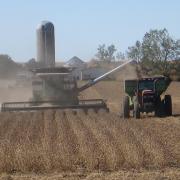
Harvesting soybeans in Nebraska.  Photo: F. John Hay, Extension Educator, University of Nebraska-Lincoln Extension.

Contents

Used and Waste Oil and Grease for Biodiesel

The most environmentally friendly biodiesel feedstocks are used grease and oil. This article discussed how to turn waste oil and grease from restaurants into energy.

barrels of biodiesel

Photo: basheertome
Photo: Mitra Sahara

Contents

Introduction

Some of the most environmentally friendly biodiesel feedstocks are used cooking oil and waste grease. According to the EPA’s Renewable Fuel Standards Program Regulatory Impact Analysis,

Environmental Life Cycle Analysis of Biodiesel


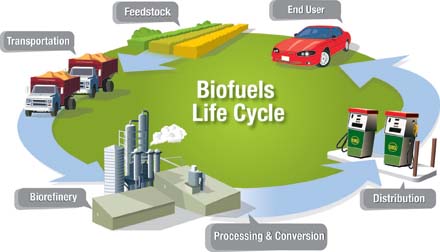
Biofuel life cycle analysis. Photo:  U.S. Dept. of Energy Biomass Program

Explore life cycle analysis to understand how biodiesel impacts the environment.

Table of Contents

Introduction

Life cycle analysis is a relatively recent tool, growing in popularity, that is used to estimate the environmental, energy and economic performance of a product or a system. …