Energy in Soybean Crushing and Transesterification


Table Of Contents

Introduction

Several studies have been done on energy life cycle analysis of soybean biodiesel. These include:

Handling Alcohols in Biodiesel Production

Methanol and Ethanol

Methanol is the driving force behind the transesterification reaction. Methanol is colorless and tasteless, with a mildly sweet odor, and is a toxic chemical. It can enter the body through inhalation, direct skin contact, or accidental swallowing. It can cause blindness or death. Because it is eliminated from the body slowly, it is considered a cumulative poison, and repeated exposure could present long-term health hazards.

Personnel working with methanol should wear protective clothing (pants, long sleeves, coveralls) …

Introduction to Biogas and Anaerobic Digestion

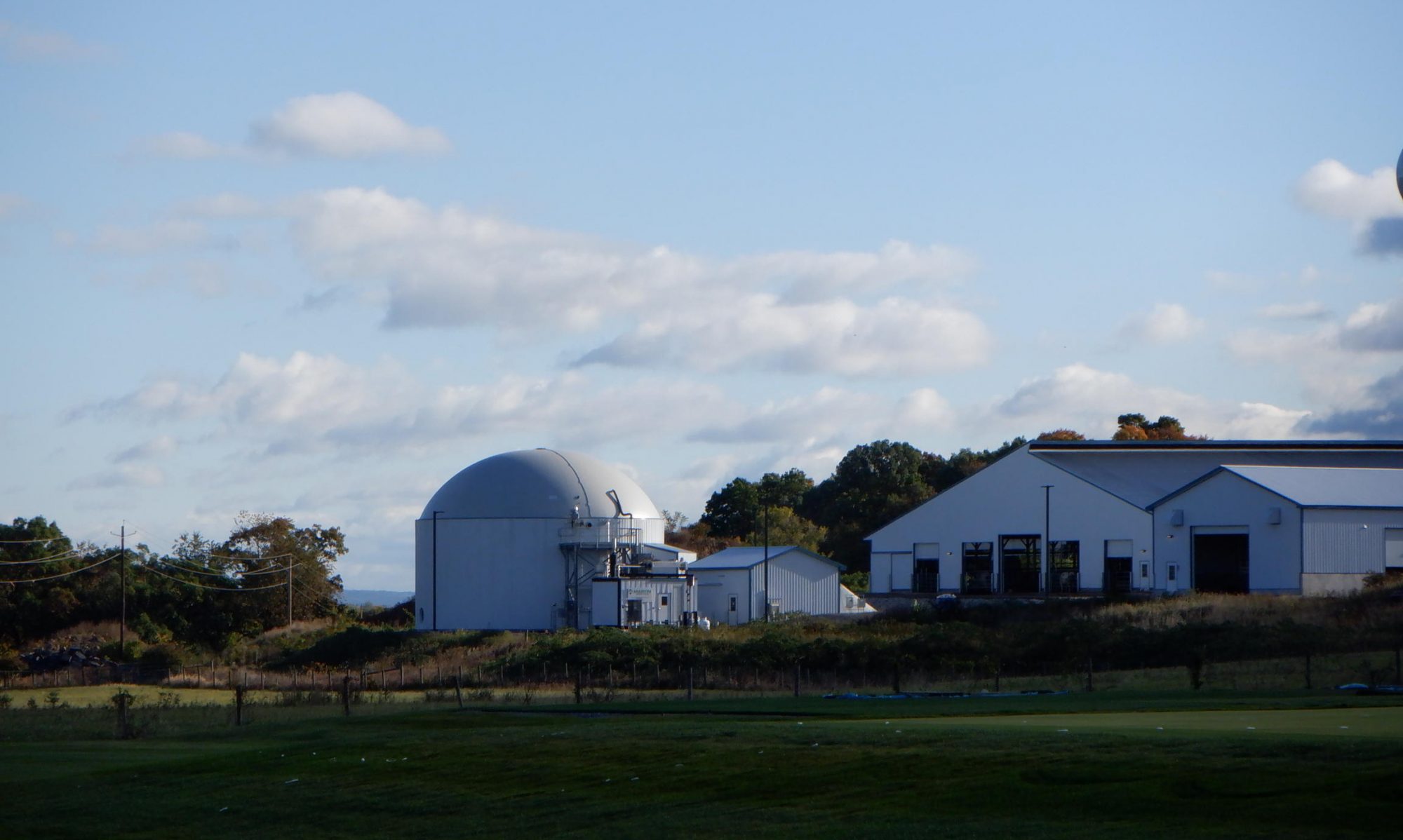
Harnessing energy from livestock waste.

Intro | Feedstocks | Processing | Utilization

On-farm biogas production has long been a topic of interest for farmers, with historical records of biogas production going back several hundreds of years. In modern livestock production systems, for example, the benefits of producing biogas are significant and include:

  • provision of supplemental renewable energy
  • odor reduction
  • reduction of emissions of greenhouse gases
  • pathogen control
  • waste biostabilization
  • nutrients are preserved and transformed into plant-available forms

The economics of …

Introduction to Energy Efficiency and Conservation on the Farm

Energy efficiency and conservation are integral to sustainable agriculture. Efficiency means increasing the work or yield per unit of energy; conservation means reducing total energy usage
Fuel and electricity use on farms is just as important to sustainability and energy savings, as use of soil and water. Energy efficiency is an integral part of sustainable agriculture. While U.S. farms have almost doubled their average energy efficiency over the past 25 years, most farms still have good opportunities to save energy …

Wind Energy for Homeowners, Farmers and Small Businesses

Small wind energy systems may provide an economical source of electricity if you live in an area with fairly steady strong winds and at least one-half acre of open land.

Sustainability Standards for Farm Energy


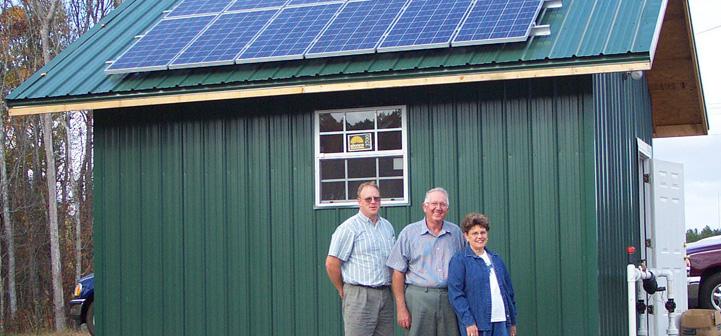
Family standing next to a solar installation on their shed. How can biofuel be certified sustainable? Examine guidelines, criteria, and measurable indicators.

How can biofuel be certified sustainable? Examine guidelines, criteria, and measurable indicators.

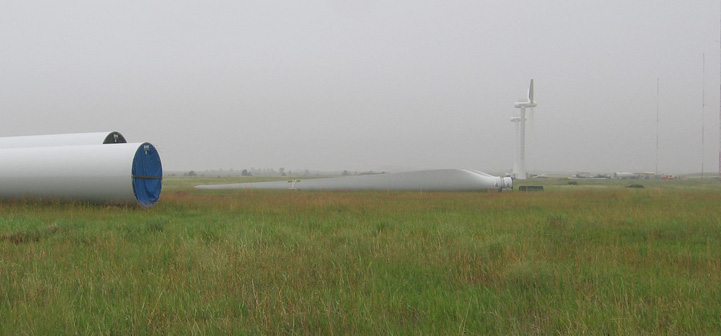
Windmills on a farm. Photo: Farm Energy Community of Practice.

Table of Contents

Sustainability

Biodiesel Online Library of Resources


Table of Contents

Biodiesel

Biodiesel Web Sites

Introduction to Biodiesel

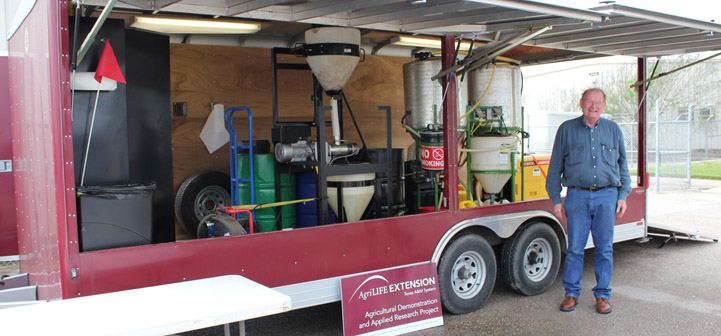
Mobile biodiesel processing trailer.Biodiesel is a diesel fuel substitute made from a variety of oils, fats, and greases.

Biodiesel

Biodiesel, a diesel fuel substitute that can be made from a variety of oils, fats, and greases, is of interest to farmers for a number of reasons: It can provide an additional market for vegetable oils and animal fats; it can allow farmers to grow the fuel they need for farm machinery; and it can decrease U.S. dependence on imported oil since fuel feedstocks …

Algae for Biofuel Production

Research is examining microalgae, 20 to 80 percent oil by dry weight biomass, as a biofuel energy crop. Learn about algae production in ponds and photobioreactors, yields, costs and challenges to this exciting new feedstock for biodiesel production.

Biofuel research on algae. Photo: Farm Energy Community of Practice

Contents

Introduction

Algae are organisms that …

Feedstocks for Biofuel Production

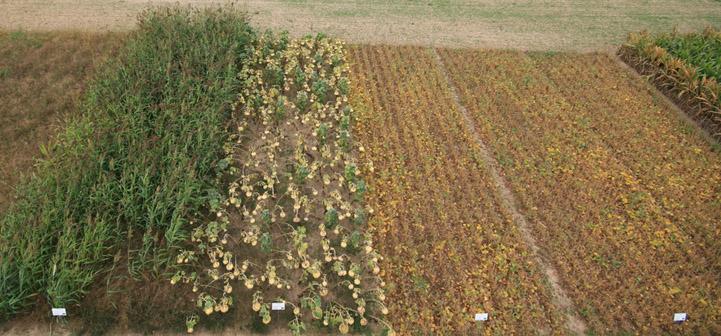
Bioenergy crop test plots

Interested in feedstock crops for biofuel energy production, but don’t know where to start? Learn about harvesting energy from sugar, starch, fiber, residues, oil and wood products.

Sweet sorghum. Photo: Dennis Pennington, Bioenergy Educator, Michigan State University.

Contents

Introduction

Biomass feedstocks for energy production can result from plants grown directly for energy or from plant parts, residues, processing wastes, …